Some trips don’t ever really end. The memories bounce around the cerebral cortex, the region of the brain that stores long-term memories. Those moments captured in time rearrange themselves in the corners of the mind, waiting for you to circle back. And when the trip is particularly wonderful, and the memories are sweet, it’s hard not to revisit those places that have left a meaningful impression.
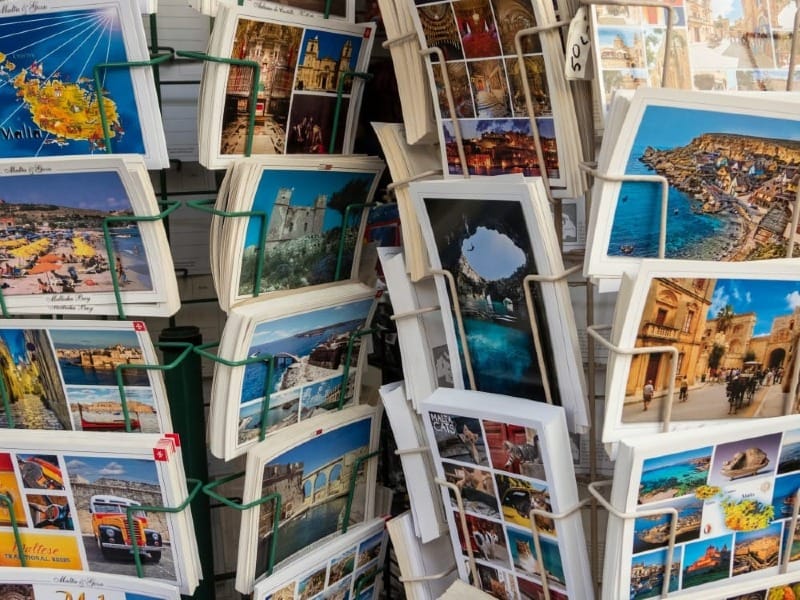
There’s a postcard leaning against the lamp on the desk in my art studio right now. Two of the corners are slightly bent from being hastily shoved into my backpack, which somehow feels like an allegory of my life. On the front is a purposefully washed-out photograph of a harbor in Spain, all sun-worn rooftops the color of baked clay and a mixture of fishing boats and pleasure boats bobbing lazily like they’ve got all the time in the world. On the back? My handwriting was cramped, slanted, a little desperate, and barely legible. I like to joke that I have the handwriting of a physician who is late for surgery. I was trying to cram too much heart into the little space allotted for a message meant to be read by a friend or loved one back at home. I wrote it a few short weeks ago, sitting outside a café in Barcelona with an espresso that went cold faster than it should have, watching the tourists and the boats sailing in the background, thinking, John, you would have loved this.
He never got there. Spain was on our bucket list for our next world trip plan, when my daughter turned eighteen. We used to peruse through Pinterest travel boards, read blogs, and lay out the maps we got from AAA across the kitchen table, drinking cheap Muscato wine and plotting routes we knew we would inevitably never stick to. Then life happened, or rather, death did, and next became never for our little family of three. Life seems to happen that way, doesn’t it? Life doesn’t always allow us to make the choice of what comes next, no matter how hard we try.
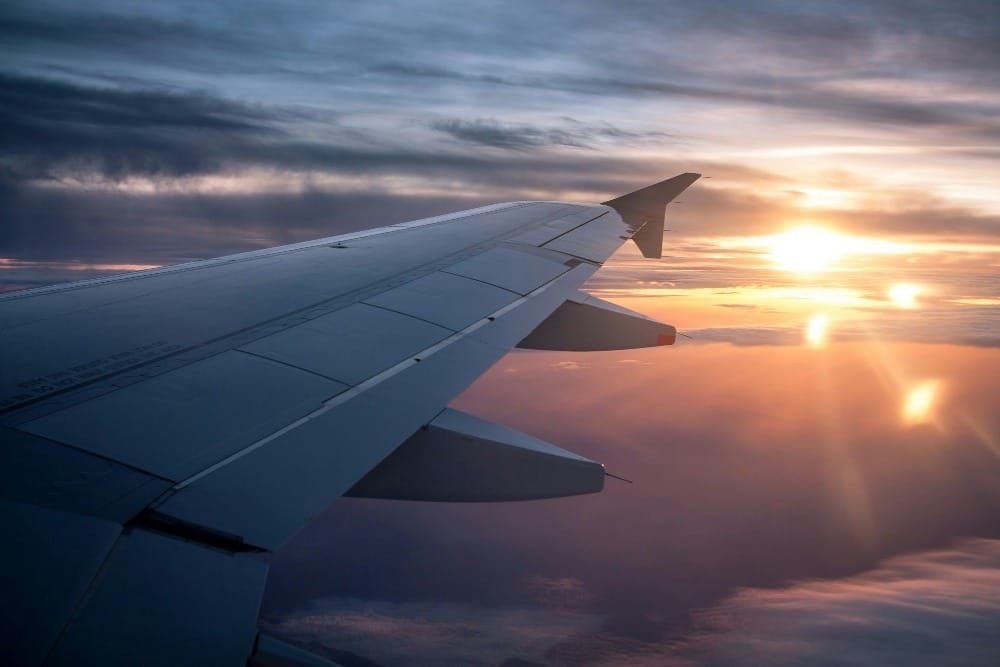
So, I did the only thing I felt was right. I booked a plane trip for my daughter and me to try to escape the overwhelm of grief. One flight became two, and then another, and another. I found solace in the seat of a plane or in the lobby of a hotel. Two-and-a-half years later, still grappling with this new life and trying to find myself through travel, I decided to book a pilgrimage to Spain. This trip, I took by myself; there was no daughter or friend in tow. It was just me sitting at this seaside café looking at a postcard I had planned to put in my travel journal. But, in that moment, the aloneness hit hard. I just wanted to pick up my phone and send him a text or call to tell him what I was experiencing, seeing, and doing. I flipped over the postcard and decided to write him a note, a postcard to heaven.
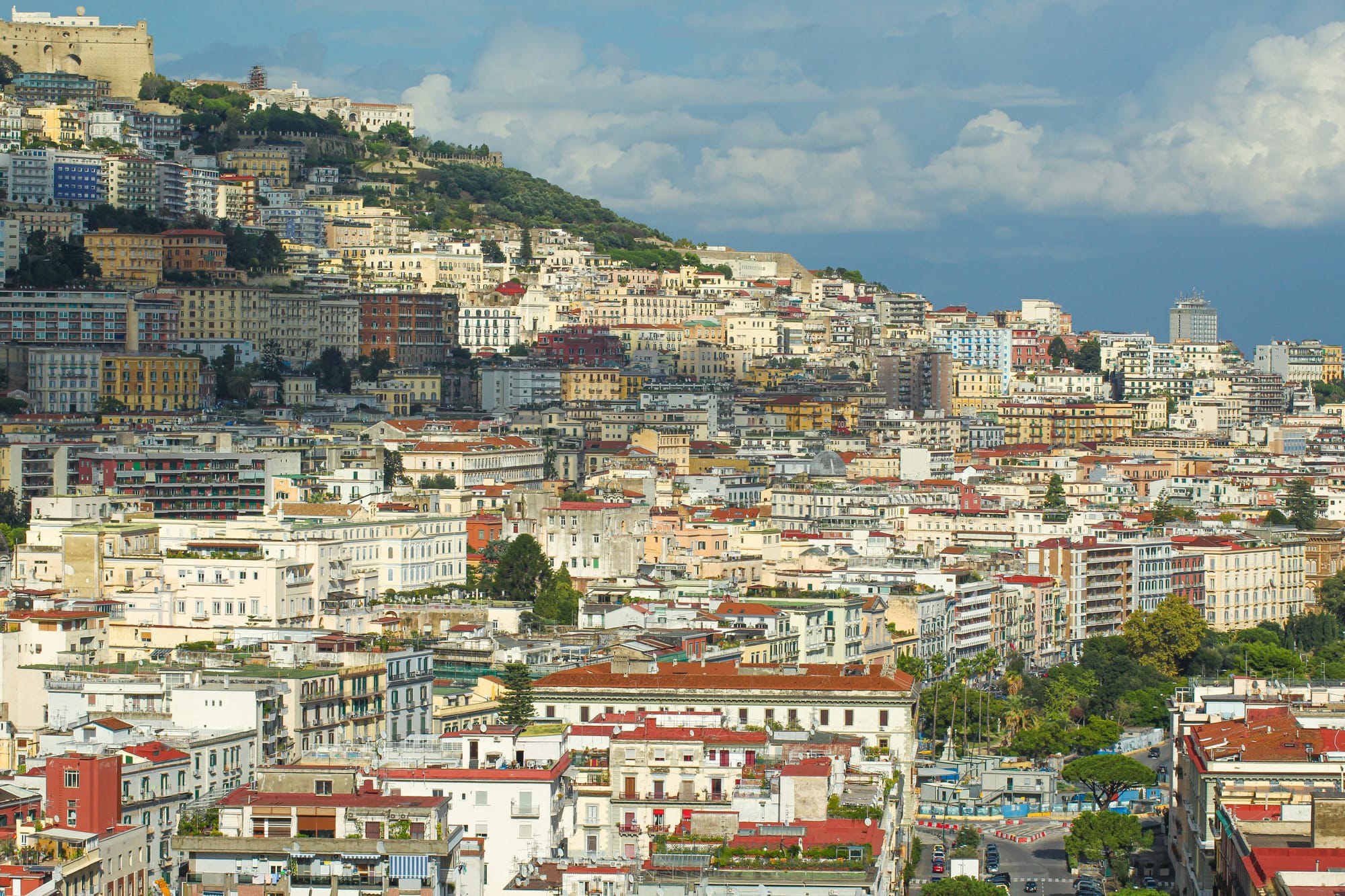
I bought it from a cramped shop that smelled like cork, linen, and time gone by. I told him about the freshly baked bread served at every meal. I told him how, after breakfast one morning, I took a leftover loaf that hadn’t been touched, wrapped it in flimsy plastic wrap, and shoved it into my cross-body hiking bag. During the long morning walks, I found myself hungry by hour two, and the 2:00 PM lunches felt like a lifetime away. A fellow pilgrim and I often joked about just how much we loved the bread, and when she saw I had one in my sack, we had a good laugh. I mentioned the way the light in Spain slows itself down in late afternoon, like honey thickening in a jar. And, I told him that had he been there, I would have saved him the window seat on the bus from Bilbao, the one with the better view. I signed it and then addressed it to nowhere, really.
Solo travel after loss… there’s nothing romantic about it, no matter what the movies suggest. Every beautiful thing you see hits double, beauty and ache, intricately woven together. You spot a piece of the coastline that knocks the wind out of you, and your first thought is to show your loved one. But that seat where they were supposed to be is empty, and there is no “someone” beside you. It’s just space pretending not to notice.
Still, despite the difficulty of forced solo travel, flying on a plane, eating dinner in the dining car of a train, or riding in the backseat of an Uber does something to grief. I think it gives it legs. It gives it motion, and the grief becomes transient instead of stagnant.
At home, sadness sits down at the kitchen table and refuses to leave. It seeps into the corners of your house. It shows up on the mug he always used or on the other half of the couch. It becomes part of the house's architecture, and it’s not something you can easily knock down and rebuild. But travel dismantles the architecture. You land somewhere your sorrow doesn’t yet recognize by smell or sound, and suddenly there’s oxygen again. Taking a deep breath feels a little easier and a little more refreshing.
Along the miles we traveled on those long, Spanish roads, the postcards became a ritual. One for nearly every destination, addressed to him but really written for both of us. I’d describe what he would have noticed, the food he would have enjoyed, and I told him about the quirky priest who kept us all entertained. I am pretty sure he would have enjoyed his company but would also have found him a little odd, something we would have laughed about in the days and months that followed.
Writing to him about my travels kept our conversations alive, even if those conversations were happening in the recesses of my mind. Once I started, I felt that I couldn’t stop. I was afraid that if I did, I would lose that one last thread of connection with him. Maybe that’s superstition, many of us in the first responder world are. But maybe it’s survival.
I thought back to Iceland. Somewhere along the southern coast, our guide had parked on the shoulder of a road that I could hardly pronounce the name of. The wind was howling like it was a living thing. I had scribbled a note in my journal about the way steam rose off the earth itself, how the whole landscape looked half-finished, raw, molten, and astonishing. I smiled when I thought about him in that moment, and wondered if he would have thought I was being dramatic when I wrote the word rebirth in the margin. Would he have said something about the metaphors, I wondered to myself?
I also thought back to Ireland. Hiking through the hills that were impossibly green, with the ocean just out of sight, I took a deep breath of the salty air. I picked up my camera to capture the light that exploded across the cliffs, and I completely lost my train of thought, if I even had one. Hands shaking, tears forming in my eyes, I tried to find words to explain the extraordinary beauty that is both a gift and a curse. How would I write this in my journal or in a text about how he would have captured that scene precisely and perfectly?
In the next postcard I wrote to him, I told him that this strange mix of ache, longing, and wonder keeps me company more than I ever expected. In the depths of my grief, it seems dangerous to feel that alive and that real. He would call it gratitude for a life well lived. We talked about gratitude often. It helped us deal with the magnitude of trauma and loss that we were exposed to in our careers.
There’s a theory I carry now: places remember people. The cobblestone road in a small European town remembers us arguing with Google Maps. Big Sur remembers an afternoon sky so blue it almost looked fake, and we wondered about how we got to be so lucky, like we knew we shouldn’t blink.
So, now, when I go somewhere new, I write him into it. The notes are short, simple conversations that sometimes lack complete sentences or correct word spelling. They are just a memory of a bygone moment that I would give anything to spend with him.
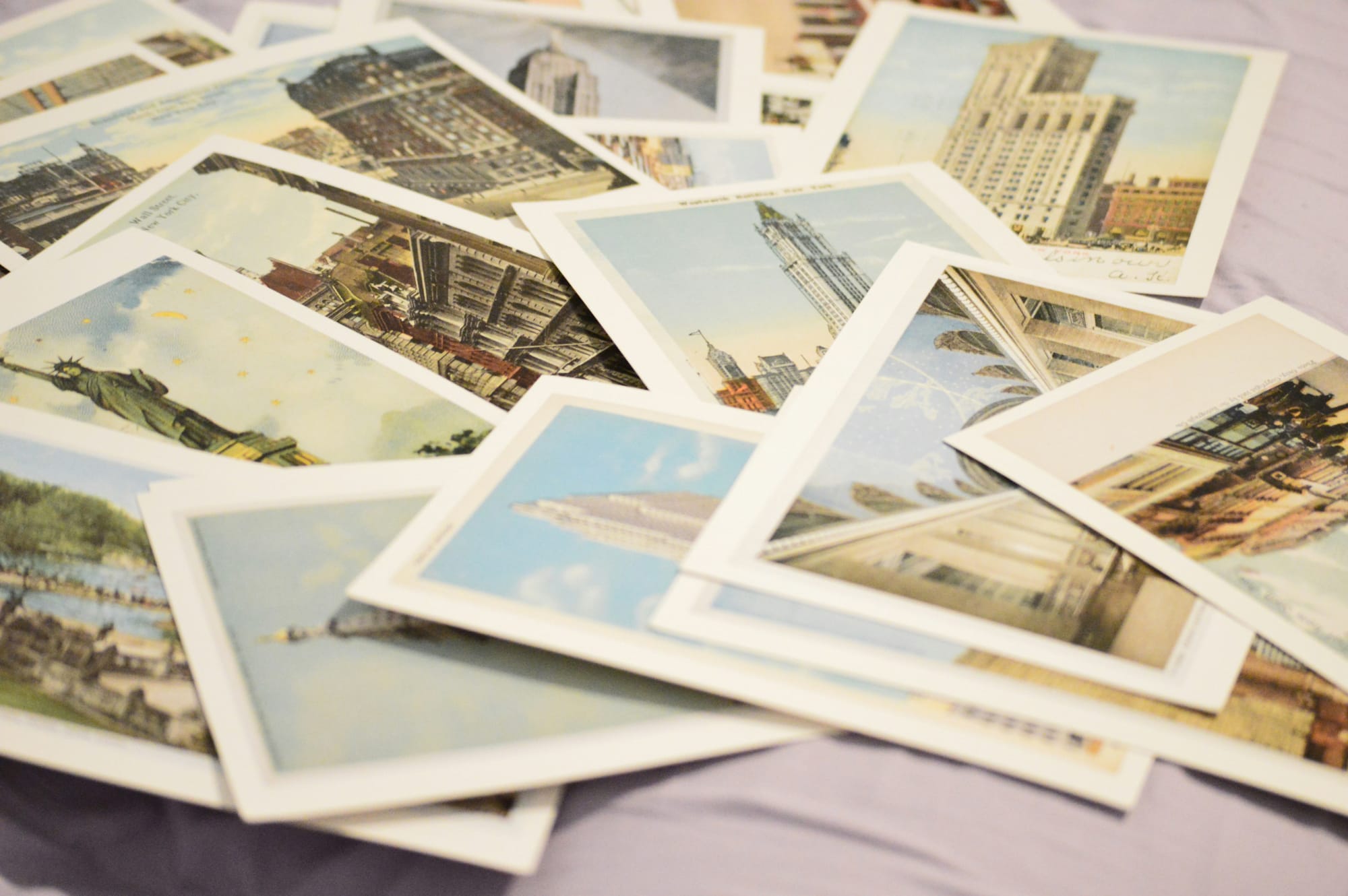
Postcards are small truths. There is not enough space for pretense or performance. There is only room for a few honest lines about being joyful and heartbroken in the same breath. The postcards don’t fix the hurt or take away the pain. They give a name to what hurts and what heals, both at once.
Now, in my living room, there’s a box that looks like a suitcase on the bookshelf, one that reminds me of travel days gone by and travel days still to come. I use it to hold these postcards. Spain. Ireland, Key Largo, and New York City. A box to be filled with constellations of where’s and when’s. These little notes aren’t substitutes for a conversation that I wish I could have; nothing could be. What they are, though, is proof. Proof that love still moves, still stamps its passport, still insists on coming along, even if it’s wearing the clothing of grief.
If you feel stuck somewhere inside your own private geography of grief, halfway between the life before and the life not yet built, too paralyzed by hard feelings to make that first hotel reservation, can I say this? Go anyway. Muster up the courage to make that first reservation. You aren’t going to outrun the grief (you can’t; it’s sneaky and owns a matching suitcase), but because the world is still unbearably, almost offensively beautiful despite the harsh reality of death. And the person you lost? I’d bet anything they’d be the one nudging you toward the gate, saying, “Go. Go see and experience it for both of us.”
Buy the postcard from the little rack by the counter that smells like ink and linen. Write the words that still burn in your chest. Address it somewhere the post office can’t find.
Then drop it in the box anyway.
Because somehow, the words still go somewhere. I really, truly believe that.